Skip to content
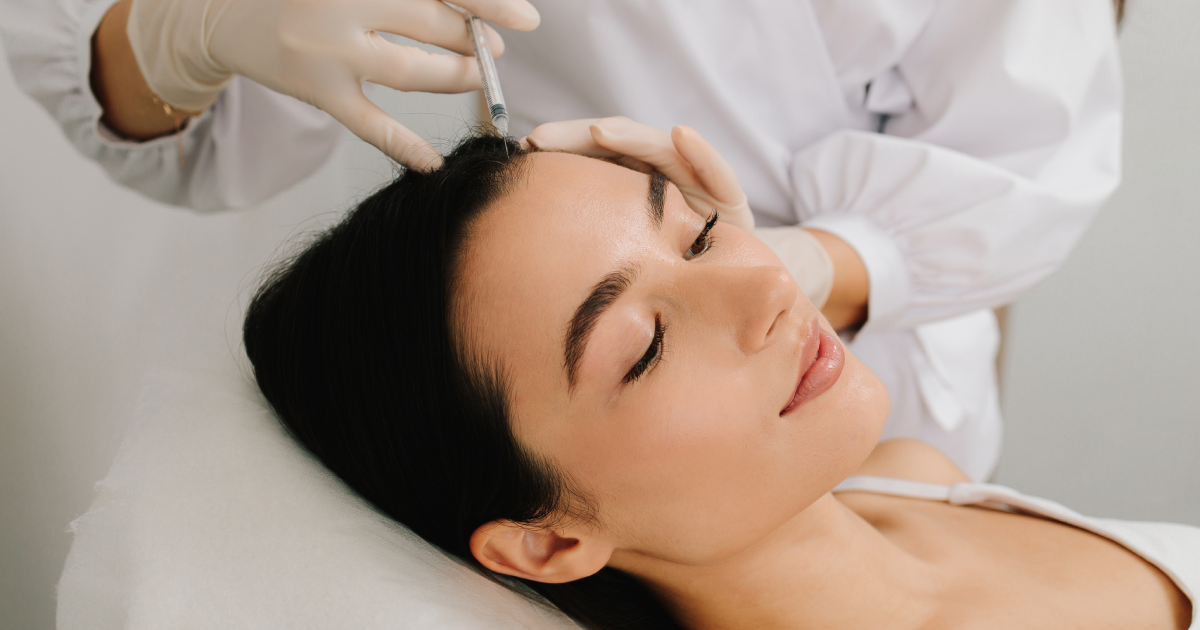
Table of Contents
Many people are choosing non-surgical hair restoration because they want lasting results without surgery or strong chemicals. There is a lot of information online, and it can be hard to know what is true. People often ask which treatments really work, what makes a technique modern, and how science supports these options.
That is where hair restoration fits in. Pacific Obstetrics and Gynecology offers hair restoration. Are you near Newport Beach? If you are seeking hair restoration in Newport Beach, CA, our medical team will help you determine whether this treatment aligns with your aesthetic goals.
Science of Modern Hair Restoration Techniques
Hair restoration includes treatments that help stimulate hair follicles, strengthen your existing hair, and improve scalp health. These methods work with your scalp’s natural repair systems to reactivate dormant follicles and support the ones that are still growing. Many people choose hair restoration because they want real, lasting improvement instead of temporary fixes that just cover up thinning.
Modern hair restoration does more than just use topical products or shampoos. Many treatments now combine microneedling with exosomes to support healthier hair growth. Microneedling creates tiny channels in the scalp, triggering a healing response. Exosomes send signals that encourage hair follicles to regrow. Together, these methods help the scalp absorb these signals more effectively, leading to thicker, stronger hair.
People care about hair restoration because it offers a balanced approach. Instead of reshaping the scalp surgically or covering areas with cosmetic cover-up, the treatment works from within the skin. Individuals seeking realistic progress and natural-looking results often gravitate toward these methods because they feel intuitive and evidence-based.
About Pacific Obstetrics and Gynecology
Pacific Obstetrics and Gynecology has been part of the Newport Beach community for many years, focusing on patient-centered care. Our team values clear communication and practical advice, especially for people dealing with concerns that affect their confidence and daily life.
Benefits of Hair Restoration
Hair restoration brings both practical and emotional benefits that can help you feel better every day. By strengthening the scalp and supporting hair follicles, these treatments help thinning areas appear fuller and healthier. Many people notice less shedding as their scalp improves. They also like that hair restoration is easy to fit into daily routines, especially compared to more invasive options.
A healthy scalp is the key to long-term improvement. Modern hair restoration appeals to people seeking a non-surgical option that delivers steady progress. Because regrowth happens gradually, changes blend in naturally without being obvious. Many people feel more confident and in control once they understand how their hair grows and what helps improve density.
Comfort is another benefit. Non-surgical hair restoration is accessible because it works with your body’s natural processes rather than forcing change. People who are unsure about surgery often find this option reassuring. If you want both science-backed results and subtle improvements, this method offers a good balance.
Who Is This Best For?
Hair restoration can help many people. Women ages 30 to 50 often seek treatment when they notice changes from aging, after childbirth, or due to hormones. Men who see early thinning also use these methods to keep their hair fuller before it becomes more noticeable. The treatment also helps people with genetic hair loss, stress-related shedding, gradual thinning, or visible thin spots.
People with active lifestyles want hair restoration that does not disrupt their routines. Minimal downtime allows them to return to their regular schedules quickly. This latest hair restoration technology is also a good fit for those seeking a science-based approach while avoiding surgery.
What to Expect
Pre-treatment Prep
Preparation starts with a consultation. Your provider will examine your scalp, discuss your symptoms, and review your medical history. This helps them understand your hair growth and its factors. Most people find this step reassuring because it gives clear answers. Your provider may recommend changing some products or avoiding sun exposure before treatment. The goal is to keep your scalp calm and ready for exosomes.
Treatment Day
The treatment usually takes less than an hour. Your provider uses a microneedling device to create tiny channels in your scalp, which helps initiate natural healing and allows exosomes to be absorbed more effectively. Exosomes send signals that promote hair follicle growth. Most people say the treatment feels like light pressure or mild prickling. It is generally comfortable, mainly when numbing cream is used first.
Combining microneedling with exosomes is among the most advanced non-surgical hair restoration methods. It works directly with the biological signals that control hair growth. Rather than forcing follicles to grow, this treatment helps them work more efficiently.
Downtime and Recovery
Recovery is quick, which is why many people choose this method. Your scalp may look slightly pink or feel sensitive for a short time, but these effects typically resolve quickly. You can return to your usual activities soon after treatment. Your provider may suggest avoiding intense workouts, hot places, or styling products for a short time to protect your scalp as it heals. These steps help with comfort and results.
Results Timeline and Longevity
Hair grows in cycles, so results show up gradually. Many people notice early changes in the first few months, like less shedding and new fine hairs. Over time, these hairs get stronger and make your hair look fuller. Staying consistent with treatments helps you get the best, long-lasting results.
The longevity of results varies based on genetics, hormones, lifestyle habits, and overall scalp health. Many individuals enjoy long-lasting improvements when they maintain care routines and schedule follow-up treatments as advised.
Frequently Asked Questions
How does hair restoration work?
Hair restoration stimulates follicles using microneedling and exosomes. Microneedling starts your scalp’s natural repair, and exosomes signal follicles to grow. Together, they encourage healthy regrowth and improve density in thinning areas.
Is non-surgical hair restoration painful?
Most people find the treatment easy to handle. Providers usually use numbing cream to keep you comfortable. It feels more like pressure than pain, and you can return to your normal activities soon after.
When will I see results?
Hair grows in cycles, so results take time. Many people notice less shedding or better texture within a few months. Fuller hair develops with ongoing treatment and good scalp care.
Does this work for hormonal or postpartum hair loss?
Yes. Many women look for female hair restoration options that support follicles affected by hormonal changes. These treatments help restore density, especially in areas where thinning happens suddenly or unevenly.
Glow Up Your Scalp
Modern hair restoration at Pacific Obstetrics and Gynecology provides a science-based approach to support healthy hair growth without surgery or extended recovery. If you want to learn how these treatments can help with thinning areas or support long-term scalp health, a consultation with our team can provide clear, personalized advice. Start your hair restoration journey today!